
The Royal Pavilion
Brighton & Hove
Quick Links
Home » Royal Pavilion Museums and Libraries (RPML) » The Royal Pavilion
The Royal Pavilion in Brighton
Beyond the pebble-strewn beach and promenade, which attract millions of sun-soakers each year, and the treasure trove of colourful independent stores in the Lanes lies one of Brighton’s biggest tourist attractions, The Royal Pavilion.
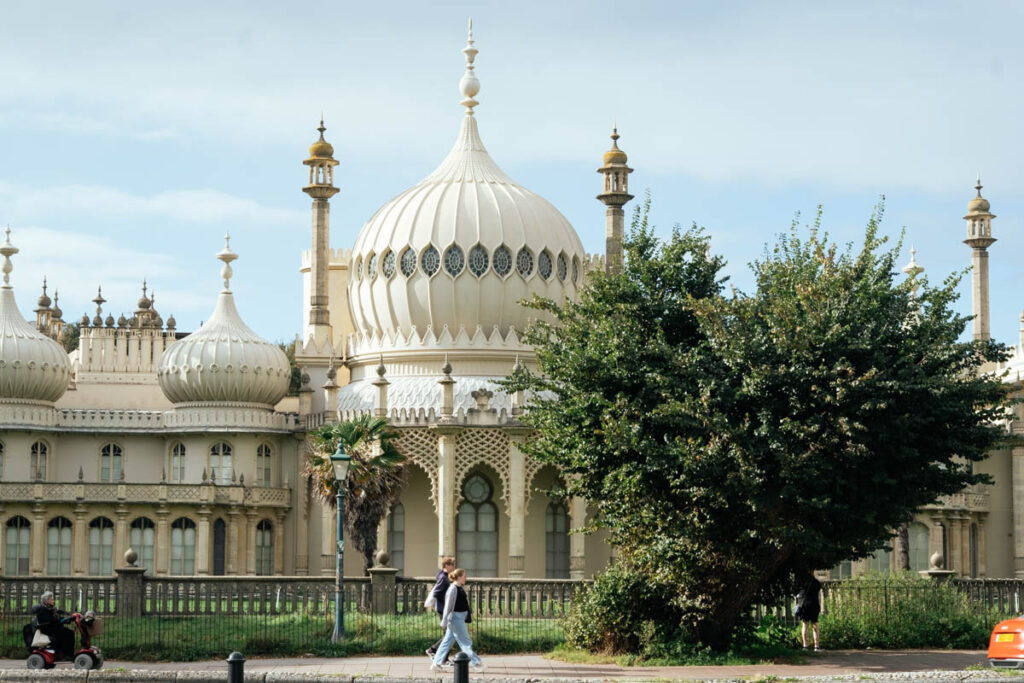
The Royal Pavilion, sometimes referred to as the Brighton Pavilion, is one of the most iconic architectural and historical landmarks in the UK. The Grade I listed building was the former residence of Prince George (Prince of Wales) who was crowned Prince Regent in 1811 and later became the King of England in 1820 – and that was only the beginning of the building’s long and enthralling legacy before it was made open to the public.
From being a pleasure palace for a hedonist Prince to serving as a hospital for soldiers wounded on the frontline during World War I, if the walls of the Royal Pavilion could talk, they would narrate a never-ending story.
Architecture
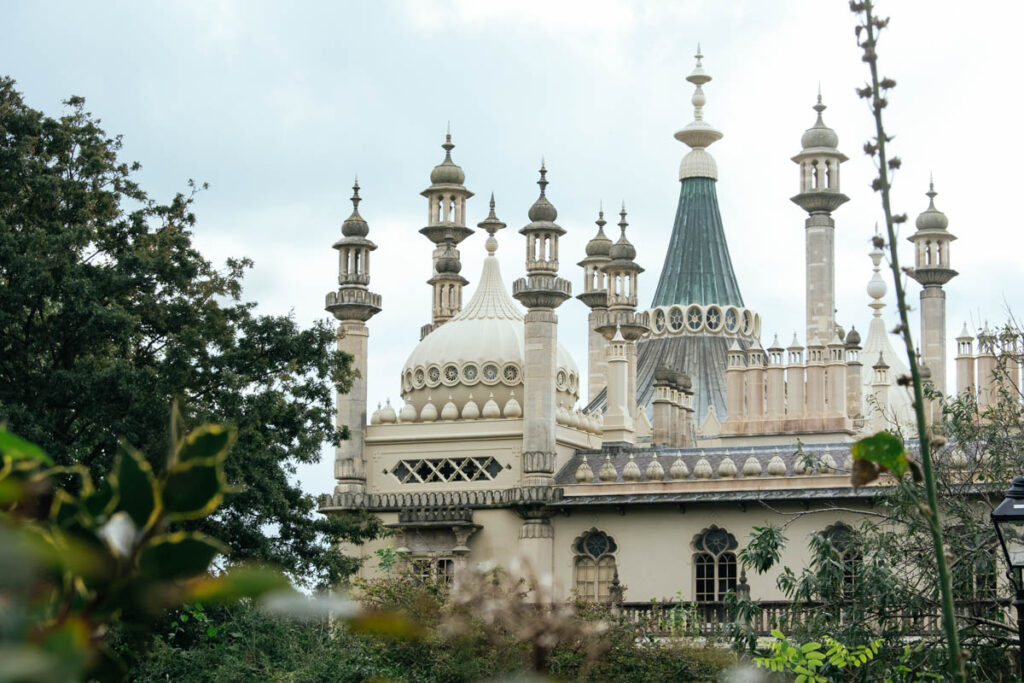
The Royal Pavilion, constructed in the 18th century, sparked architectural debates due to its extravagant design. Some argue it’s Indo-Saracenic, while others claim it’s Indo-Gothic. Nevertheless, it reflects the eclectic tastes of the Georgian era.
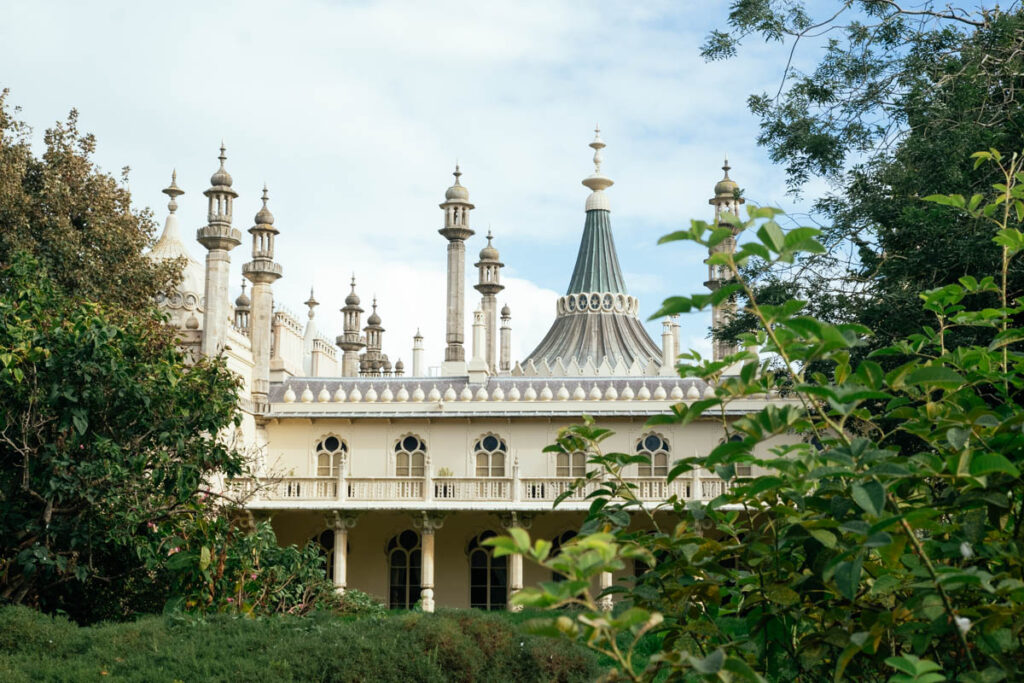
Architect John Nash transformed it into a palace with Chinese and Indian influences, known for its iconic domes and minarets. The exterior drew inspiration from Kubla Khan’s pleasure dome, while the interior reflects Oriental opulence.
Queen Victoria sold it to Brighton in 1850, stripping its opulent decor. However, subsequent renovations preserved its exotic opulence as initially intended by Prince George.
The lush gardens surrounding it share the same opulent aesthetic. Heritage site preservation ensures visitors experience the tranquil surroundings enjoyed by George IV and his luxurious guests during extravagant soirees.
Cultural Significance
All royal residences in the UK (former and current) hold cultural significance, but few are quite as impactful on art, architecture, and British heritage due to the extraordinary and rebellious life of its royal benefactor, who has been revered throughout history as one of the greatest patrons of the arts since King Charles I.
After the Pavilion fell out of favour with the royals as a place to reside, the public’s interest in the palace’s interior, which pays ode to King George IV’s obsession with the ‘mythical orient’, and the historic artefacts and artworks never waned.
The building and garden, now owned by the Brighton & Hove City Council are keen to keep it as an epicentre of cultural significance by keeping the Pavilion open all year and using it to host performances, exhibitions, and other cultural events.
History of the Royal Pavilion
In the 1780s, Prince George took up residence in Brighton, which was still developing from a dilapidated fishing town into a seaside retreat for the rich and famous looking to get away from the fray of London.
After residing in a modest house, George enlisted the help of the architect Henry Holland to transform his lodgings into a modest villa. In 1815, after being sworn in as Prince of Wales, John Nash started to construct the Royal Pavilion as we know it today.
15 years later, George died and was succeeded by his brother, William IV, who was far more introverted than his older brother. In 1837, William IV passed away and Queen Victoria was sworn in as Queen. She made her dim view of the Royal Pavilion well known and allowed the town to take over the building in 1850.
Visitor Experience
The Royal Pavilion is open every day of the week from 9:30 – 17:45 from April to September and 10 – 17:15 from October to March. The admission fee for adults is £18; £11 for children, and family passes can be purchased from £29 – £43.
In addition to the admission fee, visitors can pay for The Royal Pavilion Revealed Tour, a curator tour, or after-hours tours, respectively, which cost £6.50, £10, or £30 per person.
Plan Your Visit
The central location of the Royal Pavilion makes it easy to visit for tourists who are travelling on public transport. It is just a 15-minute walk from Brighton train station; the Pool Valley Coach Station is even closer; it is a five-minute stroll away.
If you are travelling to the Pavilion by car, note that there is no on-site parking, and you will need to find the most convenient parking options.
As the Pavilion is a historical building, accessibility may be an issue for people with limited mobility; only the ground floor is accessible to wheelchair users and motorised mobility vehicles are strictly prohibited.
For enquiries and reservations, contact the information team from Monday – Friday (9 a.m. – 5 p.m.) by phone or via email.
Membership and Support
To support the Royal Pavilion and its preservation, you can purchase an annual membership from as little as £40, which will give you unlimited access to all five sites in the Brighton & Hove Museums network, early access to tickets to special events, a 10% shop discount, and you will never pay any booking fees while making transactions with the Royal Pavilion, Hove Museum of Creativity, Preston Manor & Gardens, Brighton Museum & Art Gallery or the Booth Museum.
Online Resources
For people interested in the history and cultural significance of Brighton Pavilion who can’t visit in person, free online virtual tours are available, which are also suitable for visitors who want to plan their trip before they arrive. View the virtual tour here.
For more information, check out the Royal Pavilion official website, or keep up to date with the latest happenings via social media. The social media team is always active on Facebook, Instagram, and TikTok.
Head over to the official website for more information and to book tickets.